What Separates “Luxury Grade” From “Standard Grade” Rubberized Surfacing?
Beyond the material selection itself, most of the luxury look and low-maintenance performance of a rubberized pool deck depends on the craftsmanship and standard of the person installing it. Many homeowners assume that inlays, borders, or design elements are the real marker of installer skill. That’s backwards — those attention-grabbing elements can often distract from lower craftsmanship in the fundamentals, and it’s those fundamentals that actually deliver the luxury look and feel across every square inch of a pool deck.
True craftsmanship shows up in finishing details that most new customers can’t yet name, but can sense all the same. Once you know what those details are, the difference in quality becomes impossible to ignore. Here’s what actually separates a luxury-grade installation from a standard one.
It’s Not About the Inlay — It’s About the Craftsmanship
Most installers who work with rubberized surfacing can add a border, a silhouette, or a custom design element. That skill is real, but it’s also common enough that it doesn’t tell you much about overall craftsmanship. The details below are harder to execute well, harder to fake, and far more predictive of how your deck will actually perform over time.
Sign #1: Compaction
Compaction is the single most important factor in achieving a true luxury finish, and it affects every square inch of the installation. Proper compaction creates a smoother, denser surface that resists dirt, wear, and premature breakdown — significantly extending the life of the deck.
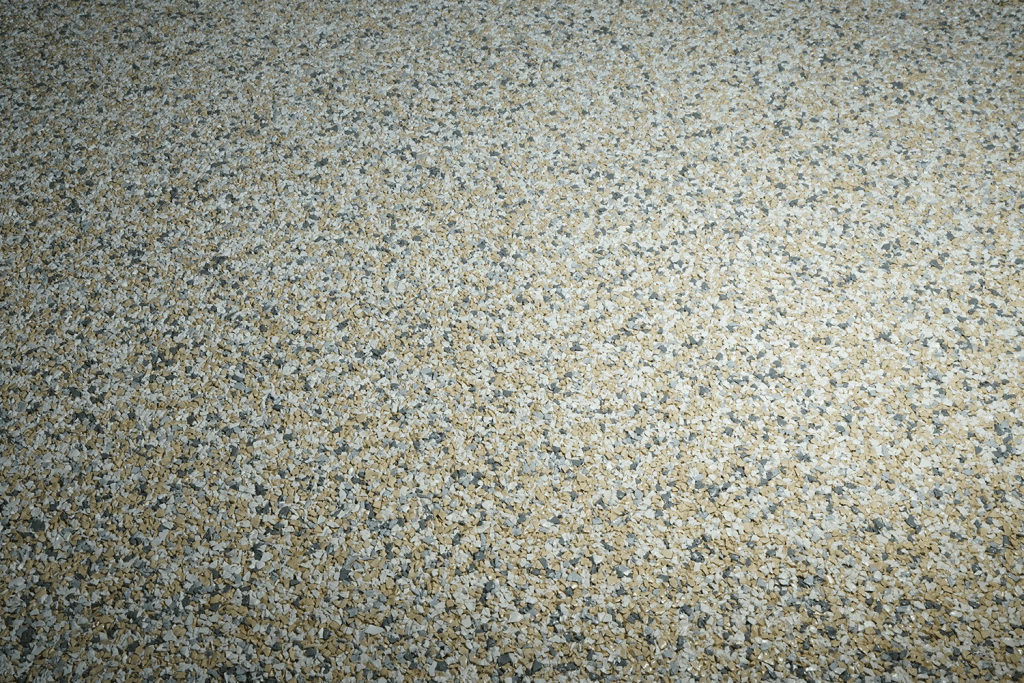
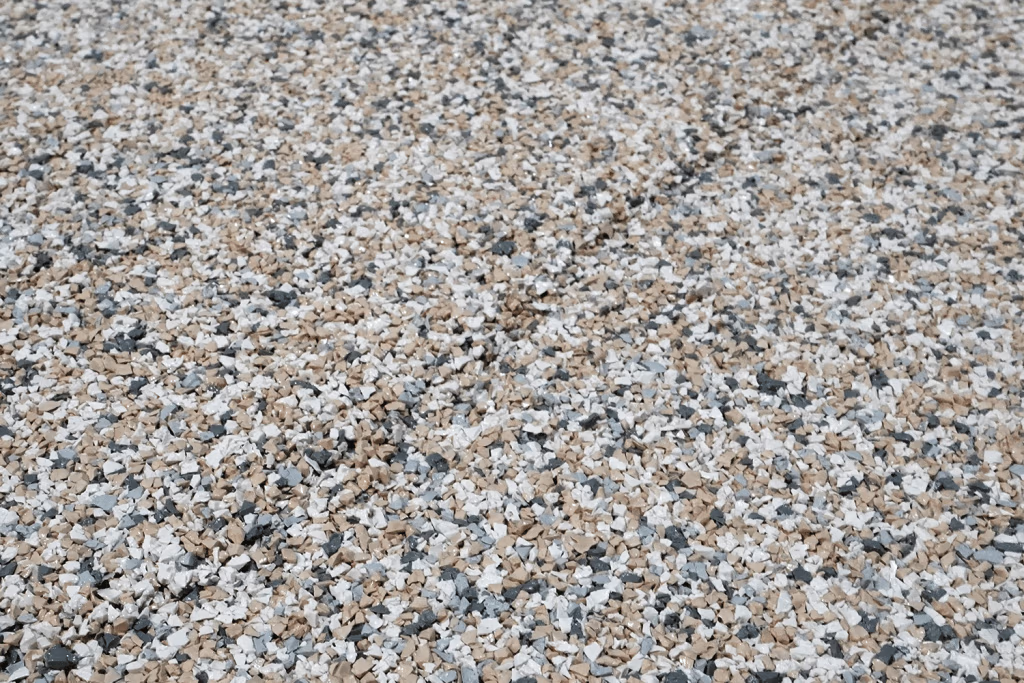
Excellent compaction shows a tight, uniform texture. Mediocre compaction shows visible pockmarks throughout the surface — imperfections that detract from the appearance while also trapping dirt and accelerating wear. Achieving genuine, top-tier compaction requires both technical expertise and real craftsmanship, since it means hand-troweling the roughly 40 million rubber particles that make up a typical deck. Done right, the result is a surface that looks cleaner, feels more refined underfoot, and lasts significantly longer.
In short: compaction is what determines whether your deck delivers an extra decade of performance, holds up to aggressive pressure washing, resists dirt accumulation in the first place, feels better underfoot, and has a refined texture that barely looks like rubber at all.
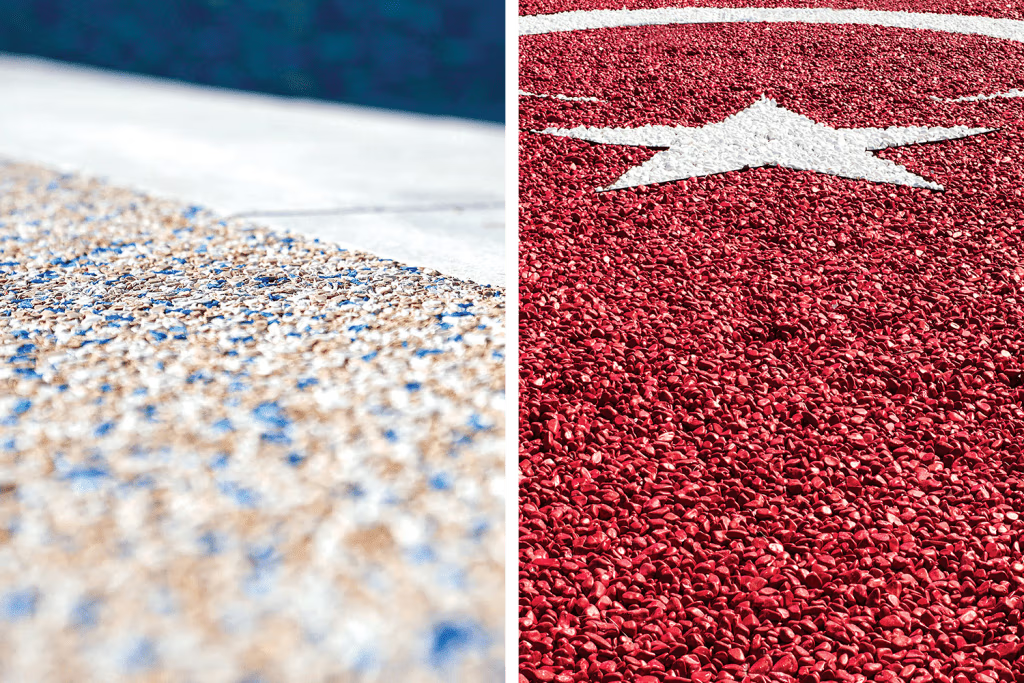
Our compaction vs. a competitor’s compaction
Sign #2: Joints Between Color Pours
Less experienced installers often use Schluter strips to separate different color pours. These strips create a permanent, visible break in the surface that disrupts the seamless appearance the material is known for. A more skilled crew pours colors directly next to one another, creating a cleaner, more refined finish without unnecessary divider strips.
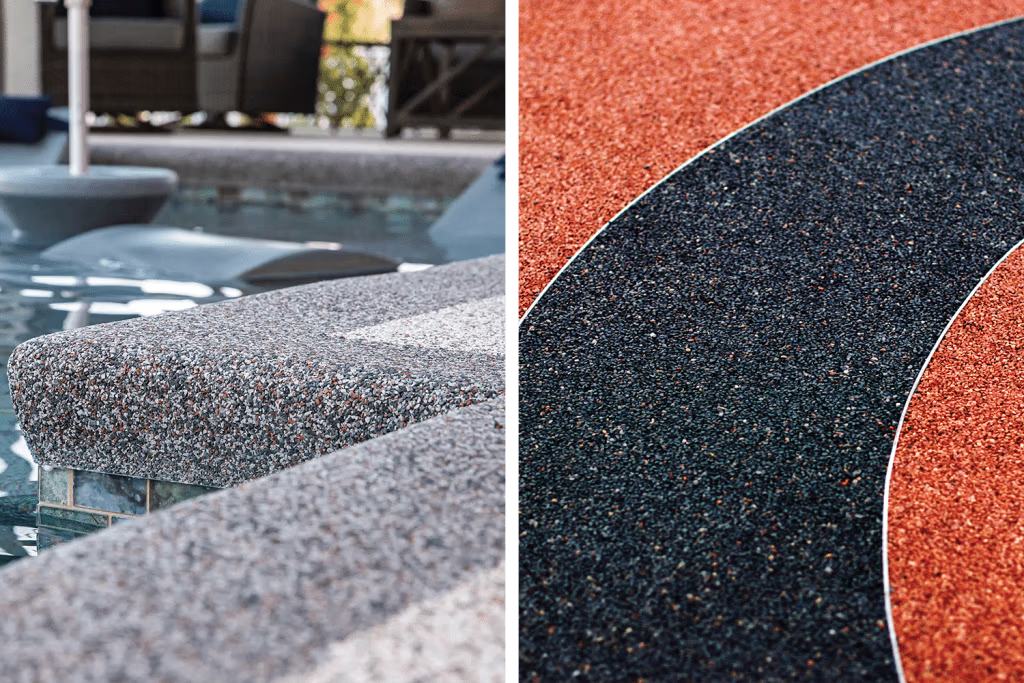
Our color pours vs. a competitor’s color pour with a Schluter strip.
Sign #3: Cold Joints
Cold joints occur where installation stops and resumes, since rubberized overlays are wet-pour systems. They’re unavoidable on some projects — especially larger ones — but they should never be obvious. Now in our 21st year of installation, our standard avoids a cold joint entirely on 95% of residential projects. When one is needed, it has to be virtually invisible.
A sample we’ve created with a cold joint down the middle.
Less experienced installation companies often end up with multiple visible cold joints, especially on larger projects. In one real comparison, a competitor’s installation showed a clearly visible cold joint with noticeable premature wear at that exact spot — a sign that the mismatch in compaction or trowel quality across the joint became a structural weak point over time, not just a cosmetic one.
A cold joint from a competitor
Sign #4: Wrapped Copings and Edge Terminations
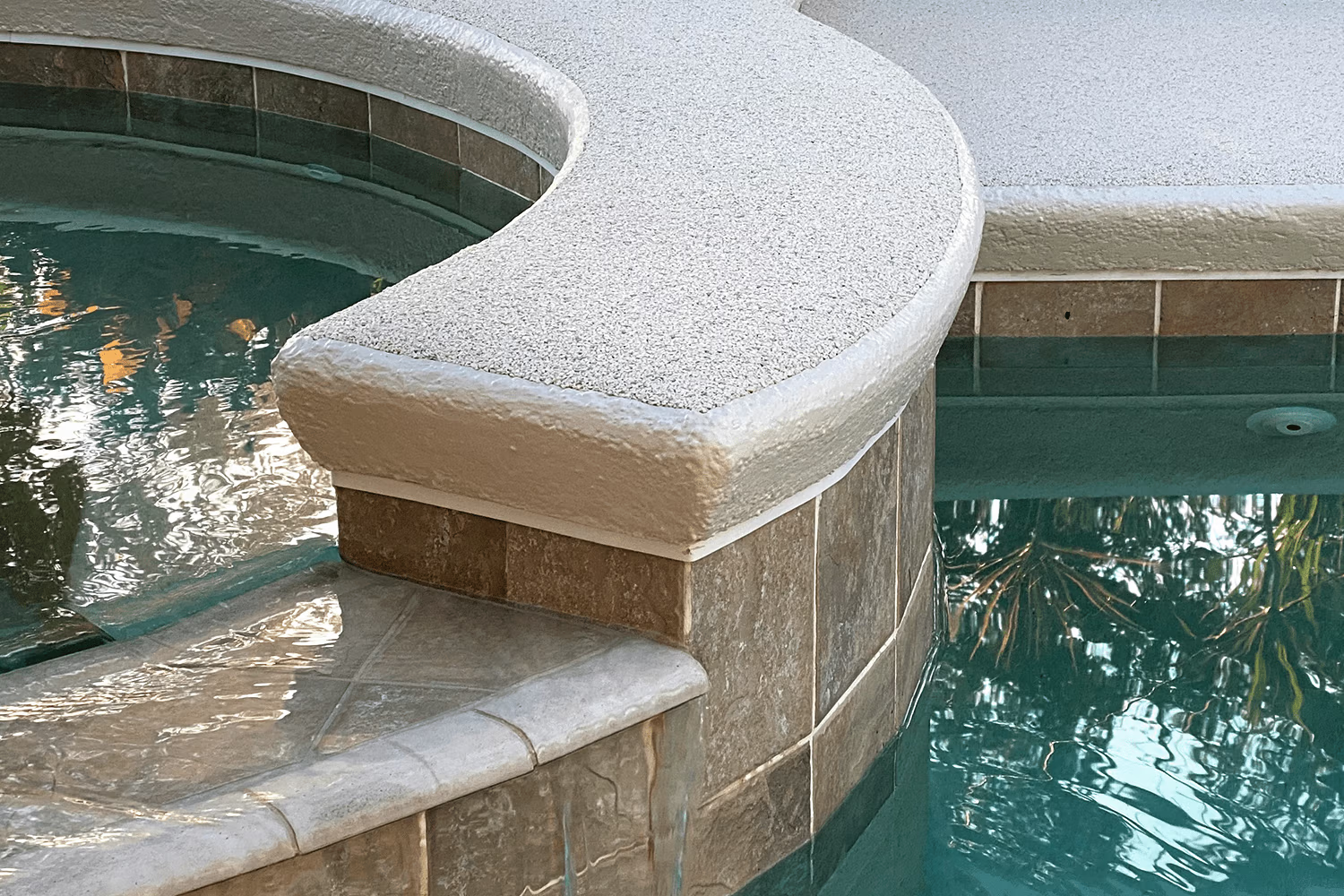
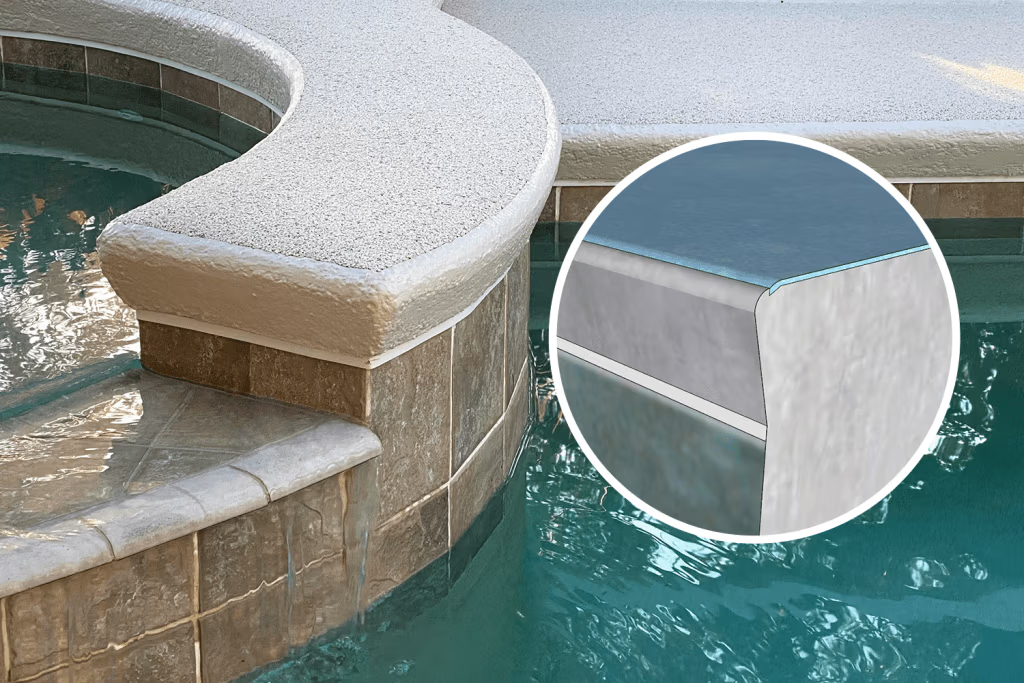
Edge work is another clear indicator of expertise. Wrapped copings — where the surface covers not just the vertical face of the coping but also the underside of the cantilevered edge — are among the most difficult techniques in rubber installation, and many installers avoid them entirely.
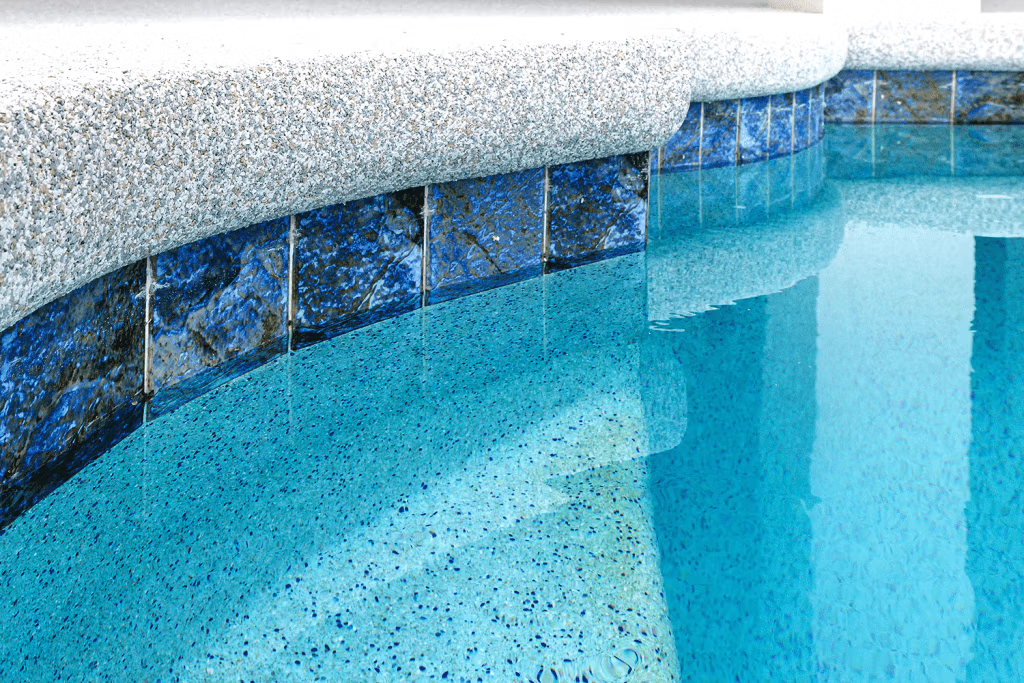
Our wrapped coping
Instead, some companies offer “mock wrapped” finishes that stop short of the lowest inch or two, leaving the most difficult portion of the coping uncovered. It can look similar to the real thing from above at first glance, but it reads as a budget installation once you know what to look for — or simply look at it from the side.
Here’s a competitor’s attempt at the more difficult, fully wrapped style, photographed just a year after completion. It already shows unevenness and bubbling at the coping — a clear sign of how difficult this detail is to execute properly.
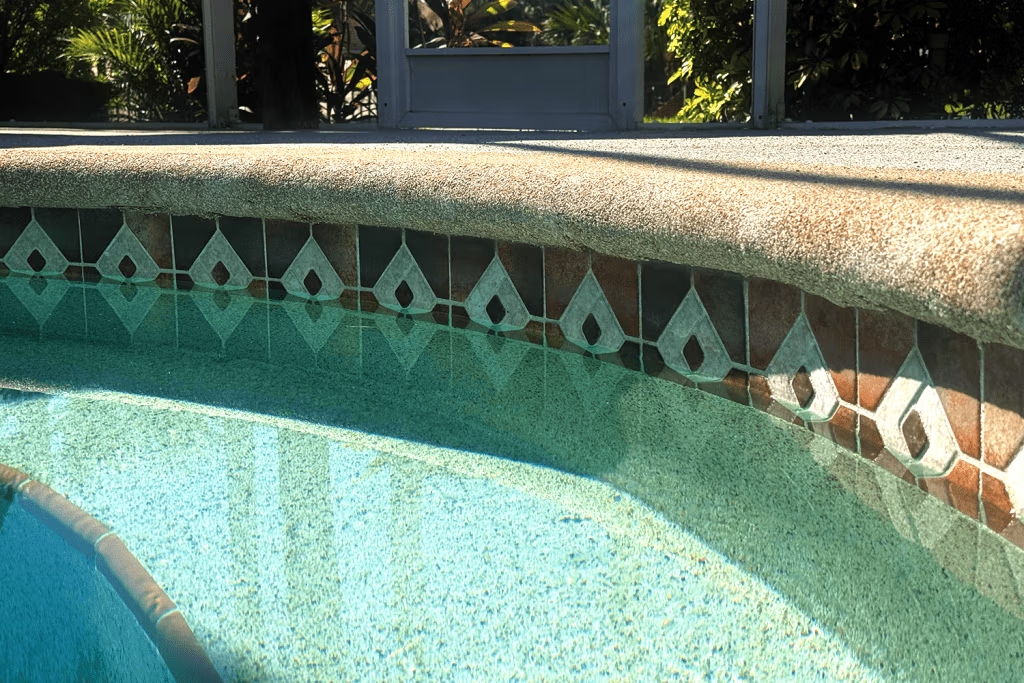
Poorly wrapped coping from a competitor
It isn’t just complex features like wrapped copings where expertise shows up, either. Even a simple edge termination, like a clean key cut at a threshold or walkway, requires a skilled craftsman’s hand to get right.
A key cut done right